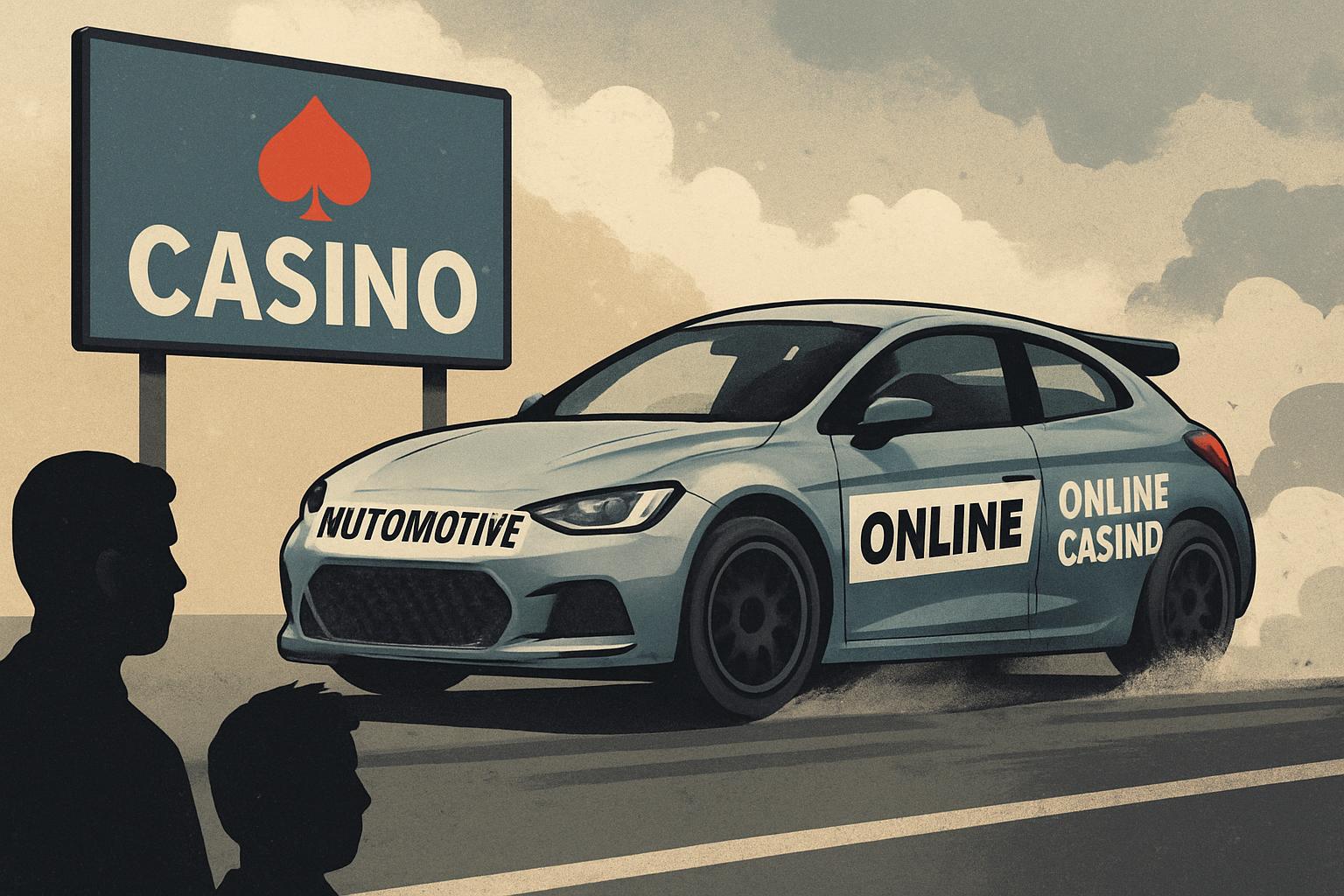
January 22, 2026 — Major automotive manufacturers and motorsport organizations are reviewing their advertising partnerships amid growing scrutiny of gambling sponsorships in European racing circuits, with particular focus on regulations governing online casinos in France and their presence in automotive marketing.
The announcement comes as several Formula 1 teams, rally championships, and automotive brands reassess their relationships with online gambling operators following new advertising restrictions proposed by French regulatory authorities for the 2026 season.
The Intersection of Motorsport and Gambling Advertising
For decades, motorsport has attracted sponsorship from industries including tobacco, alcohol, and more recently, online gambling platforms. As regulatory landscapes shift across Europe, automotive and racing organizations face difficult decisions about maintaining these lucrative partnerships while complying with evolving consumer protection standards.
France’s Circuit de Monaco, Circuit Paul Ricard, and other prestigious racing venues have historically featured prominent gambling advertising. However, the Autorité Nationale des Jeux (ANJ) has proposed stricter guidelines for how online casinos can advertise during televised motorsport events, particularly those broadcast during daytime hours when younger audiences may be watching.
“The automotive industry has always operated at the intersection of technology, performance, and lifestyle marketing,” explains Marcus Dubois, automotive industry analyst. “As responsible corporate citizens, manufacturers must consider the broader implications of their advertising partnerships.”
Understanding French Gambling Regulations
France maintains one of Europe’s most comprehensive regulatory frameworks for online gambling, requiring all operators to obtain licenses from the ANJ and comply with strict advertising standards. These regulations extend to sponsorship arrangements in sports and entertainment, including motorsport.
The regulatory system aims to balance commercial interests with consumer protection, ensuring that advertising does not target vulnerable populations or promote irresponsible gambling behaviors. All licensed operators must adhere to specific guidelines about when, where, and how they can advertise their services.
For consumers interested in understanding which platforms operate legally within this framework, comprehensive information about France’s licensed operators is available. A complete list of legal casinos meeting French regulatory requirements can be found at https://ely.vc/fr-fr/, which provides details about platforms that comply with all advertising and consumer protection standards established by French authorities.
Major Manufacturers Review Partnerships
Several prominent automotive brands have announced internal reviews of their marketing partnerships in response to changing regulations and public sentiment. These reviews examine not only direct sponsorships but also co-marketing arrangements and event partnerships that may involve gambling operators.
Renault, Peugeot, and Citroën—France’s major domestic manufacturers—have been particularly attentive to public opinion regarding gambling advertising, given their strong presence in French motorsport and their commitment to responsible marketing practices.
Impact on Formula 1 and Rally Championships
The World Rally Championship (WRC), which features several rounds in France, has seen significant gambling sponsorship in recent years. The proposed restrictions would limit when gambling-related liveries and trackside advertising can be displayed during French events.
Formula 1 teams with French drivers or significant French fan bases are similarly evaluating their positions. Alpine F1 Team, France’s representative in the championship, has stated it will comply fully with any new regulations while working to maintain competitive sponsorship revenue.
Industry Perspectives on Responsible Advertising
Automotive industry leaders emphasize their commitment to responsible marketing while acknowledging the financial importance of diverse sponsorship portfolios.
“Motorsport is expensive,” notes Jean-Pierre Laurent, President of the French Motorsport Federation. “Sponsorship revenue is essential for teams, circuits, and the sport’s development. However, we must balance financial needs with social responsibility, especially regarding products that can cause harm when misused.”
The automotive industry has experience navigating advertising restrictions, having previously adapted to tobacco advertising bans and alcohol marketing limitations. Industry representatives suggest that similar transitions are possible for gambling sponsorships with appropriate planning and alternative revenue development.
Consumer Protection Considerations
The proposed French regulations reflect broader European trends toward stricter gambling advertising oversight. Research indicates that early exposure to gambling marketing correlates with increased likelihood of developing problem gambling behaviors later in life.
Motorsport’s broad audience, which includes many young enthusiasts who follow their favorite drivers and teams, has raised particular concerns among child welfare advocates and public health organizations.
Alternative Sponsorship Models
As some gambling sponsors potentially face restrictions, the automotive and motorsport industries are exploring alternative partnership models:
- Technology Companies: Increased partnerships with automotive technology firms
- Sustainable Energy: Sponsorships from renewable energy and electric vehicle companies
- Lifestyle Brands: Non-gambling entertainment and hospitality partners
- Financial Services: Banking and investment firms with strict ethical guidelines
- Telecommunications: Digital connectivity and 5G technology providers
Racing Teams Adapt to Changing Landscape
Several racing teams have proactively diversified their sponsorship portfolios to reduce dependence on any single industry sector. This strategy provides financial stability while demonstrating corporate responsibility.
Teams with existing gambling sponsorships emphasize that their current partners are all properly licensed, regulated operators that comply with French law and maintain high standards for responsible gambling initiatives.
Looking Ahead: 2026 Season and Beyond
The French motorsport calendar for 2026 includes the Monaco Grand Prix, French Rally Championship rounds, and various touring car events. Organizers are working closely with the ANJ to ensure compliance with any new advertising restrictions while maintaining the financial viability of events.
Industry observers anticipate that France’s approach may influence other European countries considering similar restrictions, potentially reshaping motorsport sponsorship across the continent.
Commitment to Ethical Partnership
The automotive industry’s response to evolving gambling advertising regulations reflects broader trends toward corporate social responsibility and ethical marketing practices. Manufacturers recognize that their brand associations send messages to consumers, particularly younger audiences who aspire to motorsport careers.
“Our vehicles represent innovation, performance, and safety,” states Claire Moreau, Marketing Director at a major French automotive manufacturer. “Our partnerships should reflect those same values and our commitment to positive social impact.”
Regulatory Timeline
The ANJ is expected to finalize new advertising guidelines by March 2026, with implementation planned for the start of the racing season. Affected teams and circuits will have transition periods to adjust existing contracts and develop alternative revenue sources.
About the Automotive Industry Alliance:
The Alliance represents major automotive manufacturers, motorsport organizations, and industry stakeholders committed to responsible marketing practices and sustainable business operations in the automotive sector.
Media Contact:
Automotive Industry Alliance
Communications Department
Leave a Reply